Horses do not speak our language, yet they check out tension and intent with an accuracy that humbles many people on the first day. That level of sensitivity is specifically why equine-assisted tasks can loosen stress and anxiety's knots. The equine's large existence invites steadiness, not compel. The barn requests slower breathing, softer eyes, more clear limits. Done well, this job feels less like treatment and more like learning to move in rhythm with an eager, observant partner.
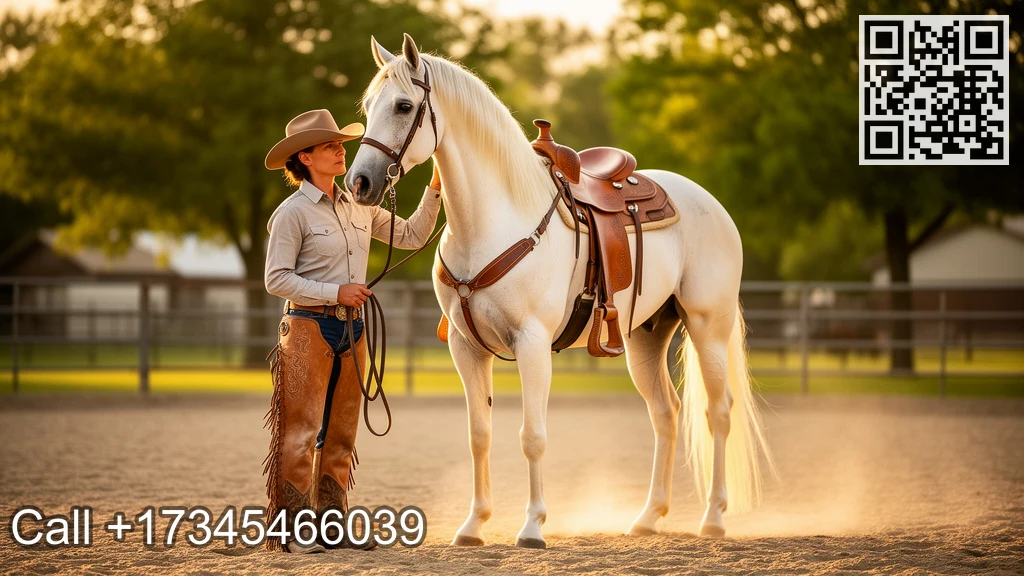
I have actually viewed corporate leaders soften their shoulders as a mare leaned her nose right into their open hand, and I have seen a teen with auto racing thoughts match a gelding's breath until both breathed out at the very same time. The steed does not deal with any individual. It provides a clear mirror, firm responses, and a calming speed. That mix is effective for anxiousness relief.
What makes an equine an excellent educator for distressed minds
A distressed nervous system yearns for cues of security and predictability. Steeds live by checking out nuances in body language, breath, and muscular tissue tone, which suggests they react quickly to changes we frequently miss in ourselves. When you tighten your jaw, an equine may pause. When you take a breath a lot more slowly, the equine usually decreases its head, blinks, and licks, indications of working out. This cause and effect assists clients discover what their bodies broadcast.
There is also something about the horse's dimension that recalibrates interest. Fears that really felt massive in a kitchen area really feel different next to a 1,000 extra pound animal who chooses to coordinate when you get clear and calm. The demand to be existing puncture rumination. You do not connect your mind to the past while you lead a delicate animal through an entrance. You listen, or the equine will certainly tell you to.
From a sensory viewpoint, the barn atmosphere has its own medicine. The cadence of unguis, the warmth under a wintertime layer, the slow-moving guide of a lead line, also the odor of hay and natural leather, all of it can help a stuck nerve system find a new channel. For many people, this is somatic healing with equines in the most literal way, learning through the body rather than through talk alone.
What a session in fact looks like
Equine-assisted solutions span a range. Some are placed, some remain completely on the ground. For anxiety relief, I usually start unmounted. The job starts with orientation in the barn aisle or paddock. We chat safety and consent. We checked out the equine's signals, after that we exercise our own.
A regular 60 to 90 minute session may consist of fulfilling a horse at liberty in a round pen. The client enters with a basic intent, for instance, to welcome link without chasing it. The horse replies to pose and pace. If a customer rushes, the steed may turn away. If the client softens their knees and breath, the horse commonly tips more detailed. Later we could add a halter and line, navigating a couple of barriers, strolling direct and arcs, quiting together, beginning together. It sounds basic until the client realizes their mind drifted and the horse strolled off. That gentle drift is the learning moment.
Mounted work fits, particularly within restorative horsemanship programs that focus on motorcyclist skills and body control. The rhythm of the stroll can work out an over active mind, comparable to bilateral stimulation located in various other techniques. For some clients, brushing ends up being the anchor. 5 minutes of brushing until the coat radiates, then observing their hands, shoulders, and jaw really feel various. These small supports add up.
The peaceful scientific research underneath the really felt sense
I prevent overselling research study, due to the fact that the field is still young. What we do have are multiple little research studies and program analyses that report purposeful reductions in self-reported anxiety and boosted mood after brief series of equine-assisted tasks. Some work has measured changes in heart rate irregularity and cortisol in sessions that emphasize breath and paced communication. The sample dimensions are moderate, however the trend is consistent with what the majority of us see in technique: individuals settle, and they lug that resolving into day-to-day live. As always, individual results differ. The steed is a catalyst, not a magic wand.
Mechanistically, numerous aspects likely add. Initially, experiential knowing with equines hires interoception, the ability to feeling internal signals like breath and heartbeat. Distressed individuals typically misinterpret or prevent those signals. The steed makes interoception much less abstract. Second, the dyadic law that happens in between types can echo co-regulation we look for in human relationships, however with much less tale and judgment connected. Third, the jobs require present-moment interest. Going through posts without bumping them is not cognitive-behavioral therapy, yet it has a similar impact: it disrupts purposeless patterns and practices new ones.
Anxiety takes various shapes, so the job changes too
Panic is not the same as prevalent fear. Social anxiety is not the same as trauma-related hypervigilance. The barn needs to satisfy each of these with nuance.
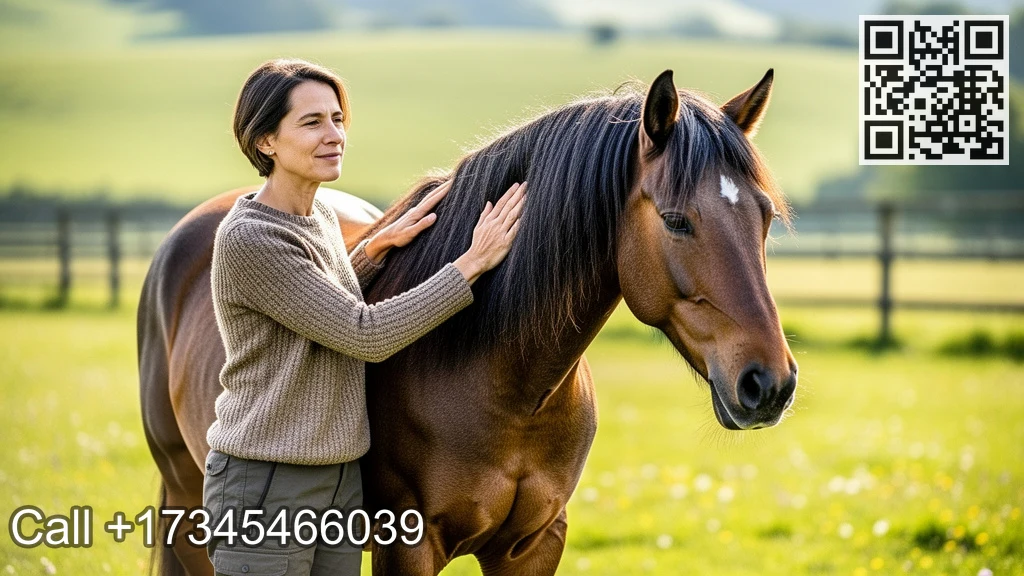
Someone vulnerable to panic may take advantage of foreseeable series with clear leaves. We may start ideal outside the pasture fencing, practicing breath pacing while viewing the herd, after that take 5 steps in and quit. The individual manages the dose. The objective is not desensitization at all prices, it is selection and capacity.
With social stress and anxiety, equine-assisted mentoring often highlights borders and congruence. If a client says they feel great while their feet shuffle and their shoulders cave, the steed reads the shoulders, not words. Learning to straighten words, tone, and posture in front of a steed translates to hard conversations with colleagues or family. That is where some programs incorporate group building with horses for groups, since the steed reveals unclear interaction patterns without shaming anyone.
Hypervigilance requests for a slower lane. We might spend a complete session outside the field, exercising orienting to the environment and translating the difference between horse-alert and horse-relaxed. Watching ears flick to a remote sound, then seeing the horse release the tension, shows that alertness can cycle, it does not need to stay on.
Practical safety and honest care
If you have never been to a barn-based program, below is what liable practice appears like. The center will certainly conduct a comprehensive intake, consisting of wellness history, existing medicines, any kind of orthopedic concerns, and allergy questions. A licensed expert leads or co-leads sessions. Equines are very carefully chosen for temperament and viability, and their work stays within humane limitations. Headgears are common for mounted job and are an audio choice for several ground tasks. The setting is clean sufficient to decrease trip risks, yet still an actual barn, not a disinfected studio.
Ethical treatment likewise indicates equine welfare is never a second thought. The equines obtain day of rests, herd time, proper hoof and veterinary treatment, and clear signals when they can say no. A program that presses a weary or immune steed to do is not serving the equine or the client. Clients pick up that harshness, even if they can not name it.
There are genuine contraindications. People with extreme hatreds hay or dander may battle, though some barns alleviate with outdoor arenas and mindful pet grooming. Those with uncontrolled seizures, current blasts, or acute orthopedic injuries may require to delay mounted job or adhere to monitoring and mild ground link. A history of substantial aggression towards pets is a red flag. None of this is a flat no, however it means thoughtful planning with medical providers.
How anxiousness softens through certain skills
Anxiety alleviation in equine-facilitated health originates from concrete abilities constructed session by session. Grounding is the initial. Prior to touching a halter, a customer may situate their feet, find three audios in the field, and lengthen their breathe out to a rhythm that the equine can really feel via the lead. Clarity is the second. Clear asks and clear releases. If you squeeze the lead, after that never ever soften, the horse stops trusting your signals. That maps to everyday life, where vague restrictions feed anxiety.
Boundaries adhere to very closely. Equines prefer leaders that are consistent, not autocratic. The person that pulls and micromanages generates brace and confusion. The person who takes out sends blended messages. The sweet area stays in company, reasonable requests and immediate praise for shot, which people find much easier to understand with a steed first.
Finally, repair work issues. When you over-ask and the horse throws its head, you apologize in body movement: soften your joint, reset your stance, try once again with half the pressure. Knowing that mistakes can be repaired without spiraling right into self-criticism is gold for nervous minds.
A narrative from the round pen
M., a thoughtful designer in her thirties, carried stress and anxiety like a backpack full of blocks. In her second session, she claimed every decision at work felt like a catch with a right and incorrect solution. We put three cones in the pen and asked her to lead a sorrel gelding, Tucker, through any course she selected. She iced up at the very first cone, scanning for the right alternative. Tucker stopped next to her, ears snapping, after that wandered to smell a cone.
I asked M. To choose an instructions that really felt 60 percent right and to own it for 10 steps. She settled her shoulders toward the facility cone, breathed out, and stepped. Tucker followed. At the turn, she hesitated. Tucker was reluctant also. She saw, took a breath, and claimed, Half the anxiousness is my time out, not the selection. They completed the loop. That ten steps of incomplete leadership ended up being a practical concept for her job week.
Where coaching fits, and where therapy is needed
Equine-facilitated coaching concentrates on goals like management presence, communication style, and nerves self-management linked to efficiency in job or life. It is not a substitute for trauma treatment, though many trainers are medically notified. For some clients, coaching is the best doorway, specifically if they bristle at the word treatment. Language issues. Anxiousness support with steeds can take place within either lane, gave that scope is clear.
If anxiety attack or trauma symptoms are main, try to find a medical professional trained in modalities like EMDR, somatic experiencing, or trauma-focused CBT that integrates equine-assisted tasks. A specialist can hold clinical risk, coordinate with a prescriber if needed, and track sign adjustment. A train can challenge patterns and develop skills in a way that complements therapy.
Children, teenagers, and neurodiversity
Equine programs can offer a practical lifeline for families navigating sensory level of sensitivities or interest obstacles. For ADHD equine discovering support, placed and unmounted tasks build impulse control, sequencing, and functioning memory. Ask the steed to stroll on, after that matter eight strides prior to halting at a cone, then commend, after that reset. The body gets to rehearse timing in a gratifying loop.
For an autism equine learning program, the nonverbal interaction in between steed and human can minimize the stress many autistic clients feel in talk-heavy setups. The equine does not require eye get in touch with. Interaction can be alongside, grooming in sync, or walking on parallel tracks. Alternate therapy for sensory obstacles often starts with desensitization to structures and seems in the barn, matched to the client's tolerance. A kid who covers ears at the chink of a brace can still thrive on the quieter rhythm of a lead line walk.
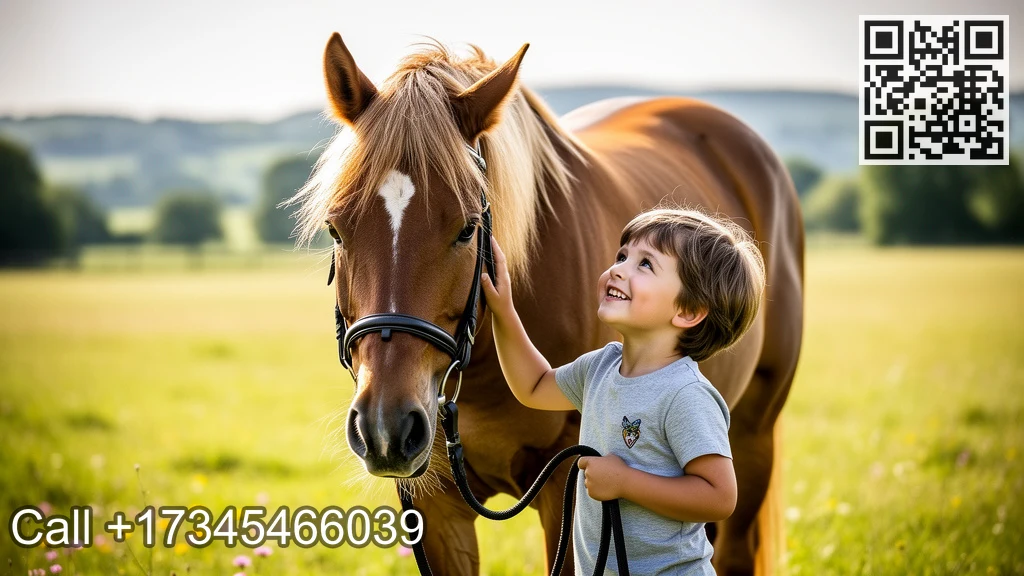
Parents appreciate concrete numbers. In my method, eight to twelve once a week sessions supply a strong arc for ability structure. You will see tiny changes early, like fewer disagreements going out the door on barn days, then more comprehensive changes by week 6 or 7, such as a child asking for a break instead of melting down. These are not ensured timelines, however they are common when presence corresponds and the horse-partner match is strong.
What takes place inside a well-run group
Groups can be effective. A trio of grownups practicing boundary-setting with the very same equine learn as a lot from each various other's efforts as from their very own. If the gelding walks right into one participant's space consistently, the group problem-solves and experiments. Team structure with horses scales this idea for companies. The horse makes the invisible noticeable. Does the team talk over each other? The equine looks baffled and stops briefly. Does the team settle on a plan, after that serve as one body? The steed moves voluntarily via the maze.
Groups need careful assistance to keep psychological safety and security undamaged. No person is put on the spot with a behavior interpretation they did not accept explore. The horse is not a lie detector. The facilitator structures actions as info, not diagnosis.
An easy sequence to attempt in your home, after that at the barn
If you are considering this work, it assists to exercise a short regular you can carry right into sessions. This is not a remedy, yet it constructs the muscular tissue memory that horses often tend to follow.
- Stand with feet hip-width and unlock your knees. Exhale longer than you breathe in, four counts in, six counts out, 3 times. Choose one challenge orient to carefully, such as a leaf or a fencing article. Notification color, shape, and edges for ten seconds. Soften your jaw and allow your tongue rest on the floor of your mouth. Roll your shoulders once. Set a little intention, like take five tranquil steps. Say it quietly to yourself. Walk your 5 steps with your breath. If you lose track, quit and duplicate the sequence.
Clients commonly report that this five-part check-in becomes their pocket device for grocery store lines and strained meetings. At the barn, horses sense the shift instantly. It is a straightforward entrance indicate equine-facilitated health, even prior to you touch a lead line.
How to choose a program you can trust
Not all offerings are equivalent, and titles differ. Some say equine-assisted coaching, others make use of equine-assisted activities, and professional programs sit under the umbrella of equine-assisted solutions. Try to find fit more than tag. Qualifications matter, but relationship and clarity of range matter extra. When you talk with a provider, ask clear questions.
- Who leads sessions, and what are their credentials in both equine handling and human support? What does a very first session consist of, and exactly how do you evaluate readiness for mounted vs. Ground work? How do you choose and care for your horses, and how do you check their stress? What outcomes do clients generally see by session 4 or 8, and just how do you gauge progress? How do you handle safety, weather condition adjustments, and client consent in the moment?
You do not require to recognize steed lingo. You do require to feel your concerns are listened to and answered plainly. A good provider will invite these questions.
Equipment, clothing, and tiny details that make it easier
Come clothed to move. Closed-toe footwear with grip are non-negotiable. In summer season, an overflowed hat, light long sleeves, and sunscreen assistance. In winter, handwear covers that permit finger dexterity maintain you comfortable, and layers issue because your body temperature level will certainly alter when stress and anxiety works out. Jewelry that turns or dangles can shock delicate steeds. Bring water. If you are scent-sensitive, ask the barn to prevent solid fly sprays during your session, or meet in a windy arena.
Most programs give helmets for mounted work, however you can bring your own if it meets present safety and security requirements and fits properly. For unmounted sessions, several clients still pick a headgear to really feel comfortable. Ask about their plan. Little conveniences count. A customer as soon as brought a level rock that fit her hand. She massaged it prior to invitations to link, like a starter gun for her nervous system. The steed found out to review that sign too.
What the first 4 weeks commonly look like
Week one is orientation and security. You may brush and discover to halter. If grounded sufficient, you will certainly walk with a lead and technique quiting with each other. The goal is not instant bond, it is learning the barn's baseline rhythms.
Week two introduces targeted abilities. You may practice a figure eight with breath pacing or a challenge like strolling between 2 poles. The facilitator will assist you minimize stress to the minimal efficient dose, so the steed claims yes without bracing.
Week three usually grows the discussion. You will certainly notice exactly how little changes in muscle tone effect the horse, and your facilitator will connect that to an anxiousness pattern at home or job. Repairs end up being smoother. You will catch yourself over-asking and readjust within seconds.
Week 4 settles and moves. You will certainly set a goal for the session, satisfy it, and translate the skill to a genuine scenario. As an example, exercising a clear ask and tidy release, after that utilizing that script to ask for a deadline extension from your manager.
This arc is flexible. Some individuals need more time to just breathe with the herd. Others sprint through the essentials and take advantage of intricate patterns that test their tendency to over-control. Equines meet both kinds where they are.
When anxiety of equines belongs to the anxiousness story
Plenty of clients arrive anxious about equines. That is not a deal breaker. As a matter of fact, it can be an ally. A huge, delicate animal asks you to control in a manner no application can replicate. We never ever force contact. Several begin outside the fence. The very first triumph might be recognizing interest under worry, after that tipping closer for one minute. Some stick with observation the whole very first session. That patience repays. I have actually seen a customer who might not cross the sector limit on week one, walking side by side with a tranquil mare by week 6, happy with fully made without coercion.
Trade-offs and limitations worth naming
Horses do not fit every person's life. Accessibility can be restricted in metropolitan locations, and sessions set you back greater than regular talk treatment because facilities and equine care are pricey. Weather interferes. Mud happens. For some clients, the barn's changability belongs to the medicine. For others, it enhances tension. The job is additionally physically engaging. If you have chronic pain or fatigue, you will require a program that adjusts pace, position, and duration.
Another restriction is expectation. If a client gets here hoping for prompt, magical link, they might miss out on the practical understanding right in front of them. The horse is not an expert. It is a living being with choices and https://www.hhooves.com/experientiallearning needs. The mutuality is the point. Anxiety recedes as you develop reputable two-way communication, not as you chase after a cinematic moment.
Integrating gains right into everyday life
Equine job hits more difficult when it does not live just at the barn. After a session where you really felt clear and calm, list 3 physical hints that told you so, for example, shoulders heavy, breath simple, eyes soft. Tape it where you will certainly see it. Before a meeting or hard discussion, rehearse the five-part series from earlier. Switch the lead line for a coffee mug and walk your 5 steps down the hall.
Bring your people into the loophole. If you are in equine-facilitated coaching for management skills, tell a relied on teammate the one behavior you are practicing today, such as making one clear ask and one clear gratitude in every conference. If you are in treatment, ask your clinician to coordinate with your barn facilitator so language and goals align. Anxiousness grows in isolation. Shared language liquifies it.
A closing image from the barn
A teenage kid stood with a silent mare called Willow. He had actually not rested well in months. His mom claimed mornings were battles. We began with breath pacing from outside the paddock, then stepped in for three minutes of grooming. He counted ten strokes, then stopped briefly. Willow sighed and cocked an unguis. He smiled, the fast kind just his mom normally sees. When he left, his shoulders no longer reached for his ears. The following week, his mom stated the early morning was still awkward, however he caught himself halfway through a spiral, did ten fictional strokes with an unseen brush, and reset. That is the shape of change below. Small, physical, repeatable. Gentle strength.
Whether you look for equine-assisted tasks for exclusive anxiety assistance, equine-facilitated training to hone leadership under stress, or a structured healing horsemanship track within equine-assisted solutions, the heart of the job is the same. You find out to pay attention to your body, to ask clearly, to appreciate a partner, and to repair with poise. Horses accept the reality of what you bring and move with you when you are ready. For nervous body and minds, that dependable mirror deserves its weight in hay.